Open Source
Quality Checking
Workshop
Jérôme Martinez
Ashley Blewer
Technoport, Luxembourg, November 2018
Why quality control is important?
Why quality control is important?
If you don’t handle that now, content is definitely partially lost.
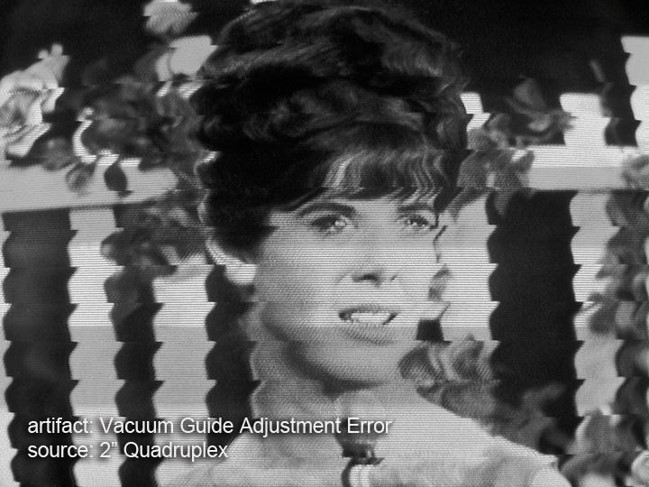
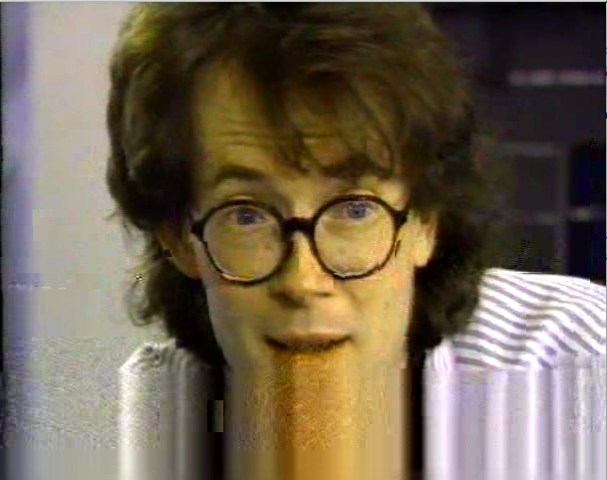
Why quality control is important?
-
Your digital copy provider is available now
- In the future, your content provider may have disappeared, trashed content…
-
The original tape is still there, but for how long?
- Sometimes your tape becomes no more readable.
Why quality control is important?
-
Easier to catch quality issues and fix them now than later
- When someone else discovers quality issues, it may be too late.
Why quality control is important?
You are not alone
Example of online support:
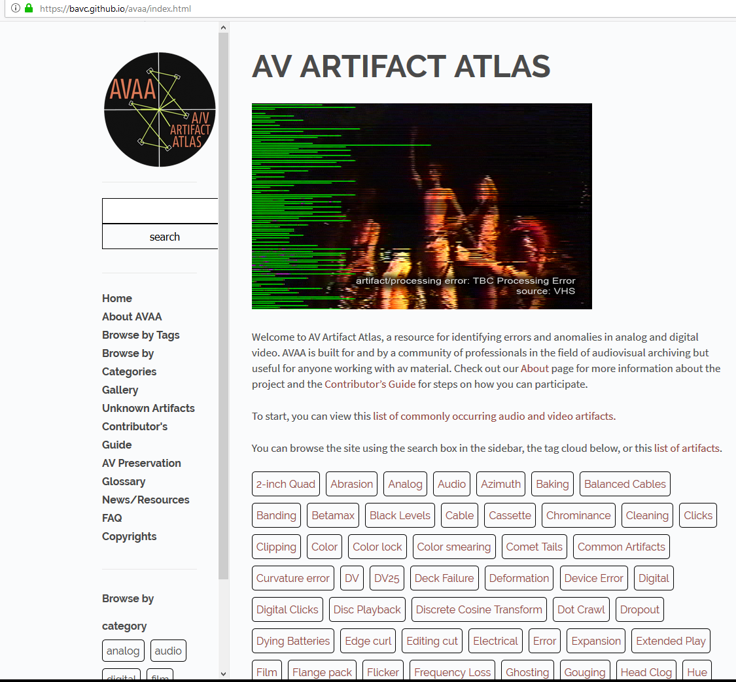
AV Artifact Atlas
a resource for identifying errors and anomalies in analog and digital video. AVAA is built for and by a community of professionals in the field of audiovisual archiving but useful for anyone working with av material.
Why quality control is important?
You are not alone
Example of online support:
"No time To Wait"
symposiums are free events focused on open media, open standards, and digital audiovisual preservation. Symposium program is made by archivists, who present how they work and the associated (open source) tools.
Organization of symposiums has a cost.
- Hosting granted by a main sponsor
- Other archives or vendors may provide additional financial support
“No Time To Wait” 2018 was at British Film Institute on October 25-26.
Other sponsors are AV Preservation by reto.ch, Centre national de l’audiovisuel Luxembourg (CNA) and the International Federation of Film Archives (FIAT/IFTA)
Overview of open source
Overview of open source
The four freedoms of open source (a.k.a. free software)
- The freedom to run the program as you wish, for any purpose
- The freedom to study how the program works, and change it so it does your computing as you wish
- The freedom to redistribute copies so you can help your neighbor
- The freedom to distribute copies of your modified versions to others
You are no more tied to only one vendor
- YOU decide of the new features
If you don’t like anymore what your supplier does, just change, YOU decide - For small project, usually one developer, but YOU can fork if it does not go as you want
- For bigger projects, YOU may decide between different competitors for new development or support.
Reusability of existing solutions
- Free choice of (local) support/suppliers
- No black-box
- Common tools/codebase = larger userbase
- Less "forced" upgrades
Benefits of paying for open source software
- Better support/updates
- Pooling resources
- Designed for your use-cases
- Overall better cost-effectiveness
- Public money = public solution?
Support
-
Open source does not mean lack of professional support:
- Support contracts
- Paid installation/integration
- Hire developers
-
Non-financial contributions:
- Documentation
- Testing / bug-reports
- Helping others
Benefits of paying for open source software
- A real-world example: The lossless video codec FFV1
- Austrian National Archive (Mediathek) wanted to do lossless digital video archiving
- Not satisfied with existing products (Interoperability issues)
- Found FFV1 in FFmpeg: Excellent codec, but we wanted/needed more...
- Contacted and hired a FFV1 developer
- Other parties involved for advices (pooled resources)
- Budget calculated in reference to costs of proprietary alternatives
- Now FFV1 version 3: faster and integrity-aware
- Important: published our experiences with FFV1
- So: other archives using FFV1 now profit from improvements, too!
Quality of tools
- Chicken and egg: if everyone waits, nothing happens
- We start with needs easy to handle and we create dedicated open source tools
- Tools become bigger, step by step, when more people join
- YOU can decide about participating in lowering the overall cost for archives.
Funding
- Driven by user requests
- Most of tools were funded after a need is detected by users
- Why paying for something you don't control? (is your current choice future proof?)
- Everyone (you included) can develop or sponsor a development
- You can fork if you think you have a better idea than others
Stay in touch
MediaArea: https://MediaArea.net, @MediaArea_net
Jérôme Martinez: jerome@MediaArea.net
Ashley Blewer: ashley.blewer@gmail.com
Slides: https://MediaArea.net/Events
License: CC BY